
Signs You Have a Bat Problem in Your Collingwood Home
Living in Collingwood, with its stunning views of Georgian Bay and the charm of cottage country, often means a closer connection to nature. While this connection brings many joys, it can also lead to unwelcome guests, particularly bats seeking shelter in your home. These nocturnal creatures, though beneficial to our ecosystem, can become a significant nuisance and even a health risk when they decide to take up residence in your attic, walls, or other hidden spaces. Recognizing the early signs of a bat infestation is crucial for timely and humane removal. Fortress Pest Control specializes in bat removal for Collingwood and the surrounding Central Ontario region, offering expert solutions to safely and effectively evict these winged tenants from your property. Being aware of the tell-tale indicators can save you from more extensive problems down the line.Unusual Noises: The First Sign of Bats in Your Home
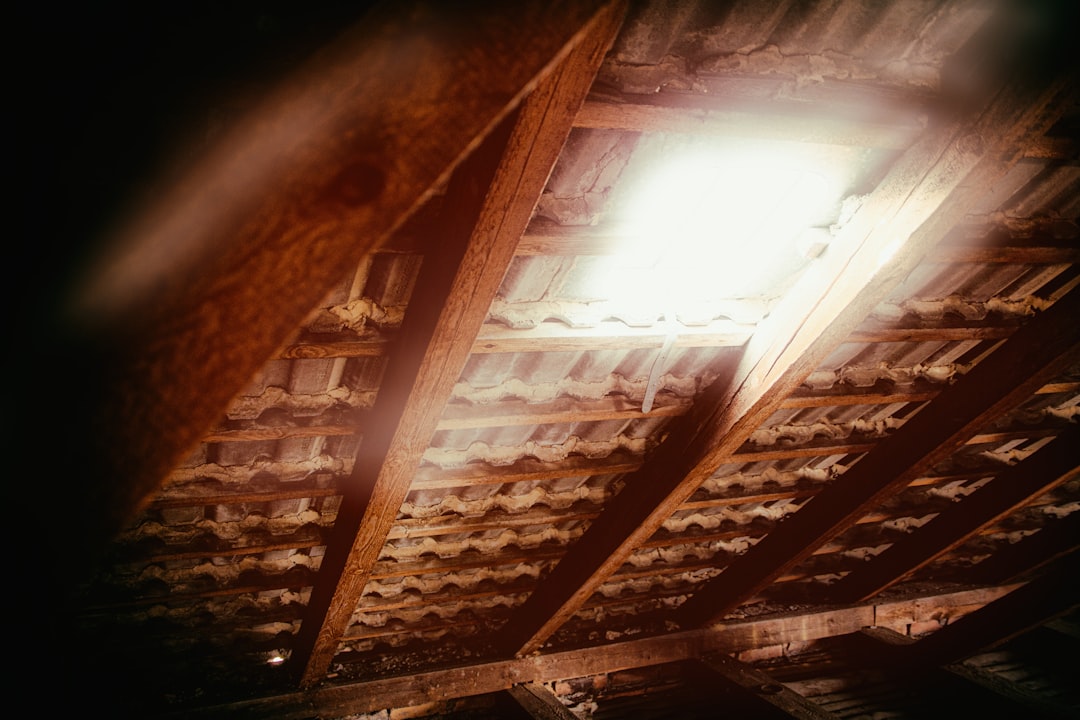
Often, the first indication that you have bats is the sound they make. As nocturnal animals, bats are most active at dusk when they leave to feed, and at dawn when they return to their roost. During these times, you might hear scratching, rustling, or faint squeaking sounds coming from your attic, walls, or even behind your soffits. These noises are typically subtle but distinct, unlike the heavier thumps of a squirrel or the scurrying of mice. Listen for high-pitched chirping or chattering, especially if you notice it consistently around sunset or sunrise. These sounds indicate a colony of bats communicating or moving within their roost. If you suspect bats, try to pinpoint the location of the sounds. This information can be invaluable for our technicians when they conduct an inspection. Don't hesitate to call Fortress Pest Control at (249) 444-7378 (PEST) for a professional assessment.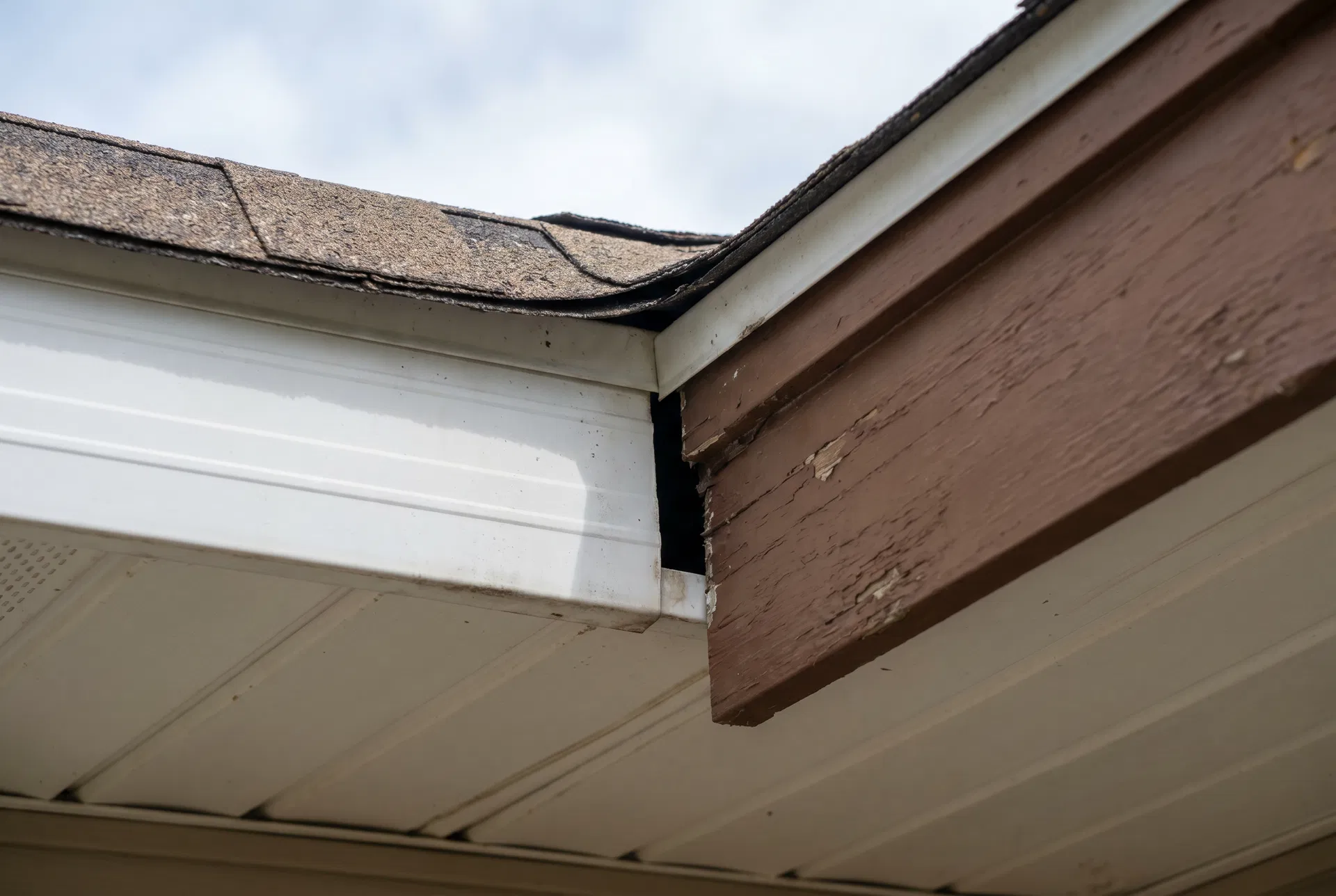
Visual Evidence: Guano, Stains, and Entry Points
Beyond auditory clues, visual evidence is a definitive sign of a bat problem. Bat guano (feces) is perhaps the most obvious indicator. Unlike rodent droppings, bat guano is crumbly and often shiny due to insect exoskeletons in their diet. You'll typically find it accumulated in piles directly beneath their roosting spots, such as in your attic, on window sills, or along exterior walls. If you crush it, it will turn into a fine powder. Another common visual sign is staining. As bats enter and exit your home through small openings, the oils and dirt from their fur can leave dark, greasy rub marks around these entry points. Look for these smudges on siding, soffits, fascia boards, or around vents. These entry points can be as small as 1/2 inch, so inspect carefully. You might also notice urine stains on walls or ceilings below a roost, which can sometimes be accompanied by a distinct, musky odour.Health Risks: Why Bats in Your Collingwood Home Are Dangerous
While bats play a vital role in controlling insect populations, their presence inside your Collingwood home poses several significant health risks. The most well-known danger is rabies. Although not all bats carry the virus, a small percentage do, and it can be transmitted through a bite or scratch, or even if their saliva comes into contact with an open wound or mucous membrane. If you find a bat in your living space, especially if it's unable to fly or appears disoriented, it's crucial to avoid direct contact and call animal control or public health authorities immediately. Beyond rabies, bat guano presents another serious health hazard: histoplasmosis. This respiratory disease is caused by inhaling spores of the fungus *Histoplasma capsulatum*, which thrives in bat droppings. Symptoms can range from mild, flu-like illness to severe lung infections, particularly in individuals with compromised immune systems. Disturbing guano, especially in enclosed spaces like attics, can release these spores into the air. This is why professional removal and cleanup are essential, utilizing specialized equipment and safety protocols to protect your family and our technicians. Fortress Pest Control prioritizes humane and eco-friendly pest control methods, ensuring the safety of both your family and the bats.Even a single bat found inside your Collingwood home warrants a professional inspection — bats rarely enter living spaces alone.
How Bats Enter Collingwood Homes: Common Entry Points
Bats are incredibly adept at finding even the smallest openings to gain access to warm, sheltered spaces. In Collingwood, common entry points often include gaps in the soffit and fascia where the roof meets the walls. Deteriorating or improperly installed flashing, loose shingles, or unsealed construction gaps around dormers can also serve as an open invitation. These seemingly minor flaws in your home's exterior are often all a bat needs to squeeze through. Chimneys, especially those without proper caps or with damaged mortar, are another frequent access point. Bats can easily navigate these vertical structures to find their way into attics or even living spaces. Similarly, unsealed or damaged roof vents, often designed for attic ventilation, can become bat highways if not properly screened or maintained. Older homes, particularly those nestled along Georgian Bay, often have a greater number of these vulnerabilities due to natural wear and tear, settling, and less stringent building standards from decades past. Even a gap as small as 1/2 inch (about the size of a dime) is sufficient for a bat to enter. They are not chewing their way in; rather, they are exploiting existing structural deficiencies. This is why a thorough inspection of your entire roofline, eaves, and foundation is crucial for identifying potential entry points before a full-blown infestation takes hold.When to Call a Professional for Bat Removal in Collingwood
Attempting bat removal yourself can be fraught with challenges and potential legal repercussions. In Ontario, bats are a protected species under the Fish and Wildlife Conservation Act, meaning their removal must adhere to strict regulations, primarily focusing on humane exclusion methods. This typically involves installing one-way exclusion devices that allow bats to exit but prevent re-entry, and these devices can only be used during specific times of the year to avoid trapping flightless young. Without proper knowledge of bat behaviour and provincial laws, you risk harming the bats, facing fines, or simply failing to resolve the problem effectively. DIY bat removal often fails because homeowners miss critical entry points or attempt exclusion during maternity season, leading to trapped bats and further complications. Professional bat removal, like that offered by Fortress Pest Control, ensures a humane, effective, and legal solution. Our experts are trained in identifying all entry and exit points, understanding bat biology, and implementing the correct exclusion techniques at the appropriate time of year. We not only remove the bats but also provide recommendations for sealing your home to prevent future infestations. Don't let a bat problem escalate. For comprehensive and guaranteed bat removal services in Collingwood and surrounding areas, trust the local experts at Fortress Pest Control. We offer tailored solutions to protect your home and ensure the well-being of these beneficial creatures. Explore our Fortress Plans for ongoing pest protection, or call us directly at (249) 444-7378 (PEST) for immediate assistance.Frequently Asked Questions About Bat Removal in Collingwood
When is the best time for bat removal in Collingwood?
The optimal time for bat removal in Collingwood is typically in early spring before the maternity season (May-July) begins, or in late summer/early fall after the young bats are old enough to fly (August-September). Removing bats during maternity season is illegal in Ontario as it can trap flightless pups inside your home, leading to their death and potential odour issues.
Are bats in Collingwood dangerous?
While bats are generally not aggressive, they can pose health risks. A small percentage of bats carry rabies, and any direct contact should be reported to public health. More commonly, their droppings (guano) can foster the growth of a fungus that causes histoplasmosis, a respiratory disease, if inhaled. It's best to avoid direct contact and leave removal to professionals.
Can I remove bats myself from my Collingwood property?
It is strongly advised against attempting DIY bat removal. Bats are a protected species in Ontario, and their removal is governed by strict provincial laws. Improper methods can harm bats, lead to legal penalties, and are often ineffective, as bats can easily find alternative entry points. Professional exclusion ensures humane and compliant removal.
How do bats get into homes in Collingwood?
Bats can enter homes through surprisingly small openings, often as tiny as 1/2 inch. Common entry points include gaps in soffits, fascia, and eaves, damaged or unscreened roof vents, uncapped chimneys, and cracks in foundations or siding. Older homes, especially those along Georgian Bay, are particularly susceptible due to age-related wear and settling.
What happens after bats are removed from my Collingwood home?
After bats have been successfully excluded using one-way devices, Fortress Pest Control will seal all identified entry points to prevent re-entry. We also offer comprehensive cleanup services for bat guano and contaminated insulation, which is crucial for mitigating health risks and odours. Our Fortress Plans can provide ongoing monitoring and protection to ensure your home remains bat-free.